
WHAT'S NEW
Equine History - Now Published
Equine History - Now published

Now Published... Lexington Gunpowder History
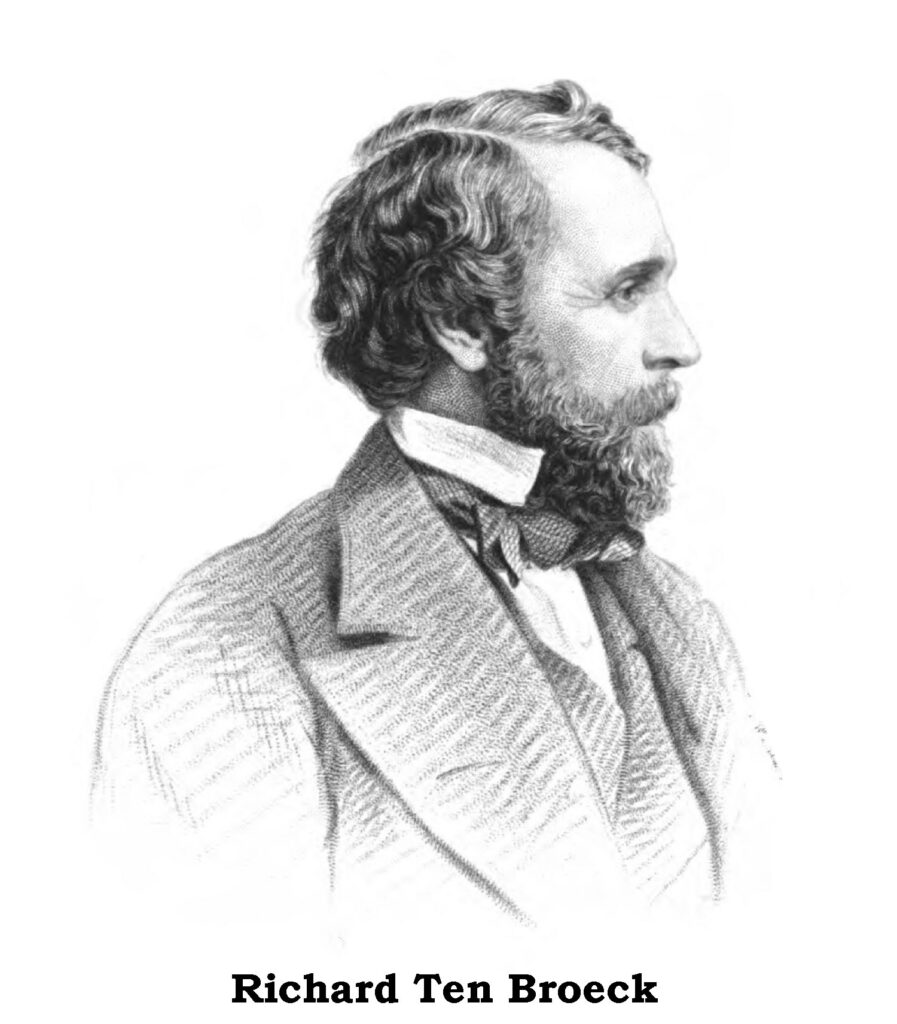
“Richard Ten Broeck and the American Invasion of England.”
Cheiron: The International Journal of Equine and Equestrian History 6 (February 2026), 155-192.
Richard Ten Broeck was a leading figure on the American Racing Scene during the antebellum period. He made a fortune as a riverboat gambler cruising the Mississippi River and with this wealth purchased the Metairie race track at New Orleans and turned it into the most important racing venue in America. In 1856 he set our to accomplish something many turfmen had considered but none had ever attempted – to beard the British lion in his own den by taking American Thoroughbreds to race against their counterparts in England. British turf authorities sneered at the audacity of this American upstart, but Ten Broeck was able to capture several of the most prestigious racing trophies in England and prove without dispute that American horses were as good as those of Britain, and sometimes better. This article is a revised and greatly expanded version of the chapter that appeared in my book, “Reinventing the American thoroughbred.”
“Artist in the Holy Land: The Pilgrimage of Edward Troye”
Cheiron: The International Journal of Equine and Equestrian History 5 (February 2025), 87-123.
Edward Troye was America’s most celebrated painter of animal portraits during the nineteenth century, primarily of Thoroughbred horses. During 1855-56, he accompanied wealthy Kentucky turfman Keene Richards to the Near East on an expedition to purchase horses from among the Bedouins. This paper focuses primarily upon his travel through Palestine and the circumstances in which his Oriental paintings were created, an aspect of his life which has often been overlooked in favor of his better-known work concerning animal paintings. I have made extensive use of Troye’s personal journal, which provides a day-by-day accounting of this trip. Few other writers have tapped this important resource, and even then only sparingly. Finally, a number of significant errors made by previous researchers are corrected.
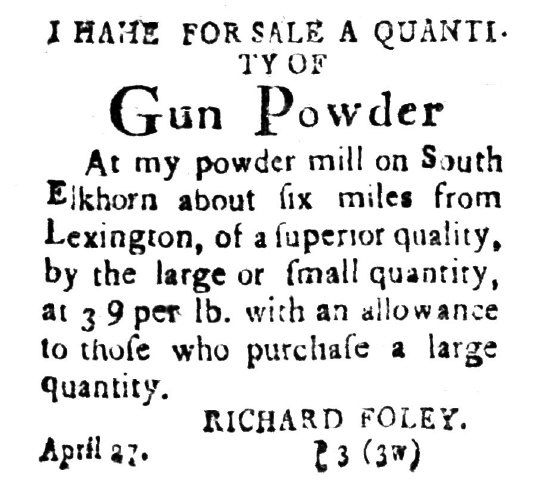
“The First and Last Powdermen in Kentucky: Richard Foley and Alexander McCoy”
Register of the Kentucky Historical Society (Summer 2025), 255-89.
Gunpowder is a mixture of potassium nitrate, sulfur, and charcoal in a ratio of 75:12:13. Abundant nitrate deposits (“saltpeter”) were naturally occurring in the numerous caves and rockshelters of Kentucky. Because Lexington was centrally located to the mining areas, it became the market center for saltpeter used locally to make gunpowder and shipped to eastern factories. Accordingly, the Inner Bluegrass region around Lexington contained the largest concentration of gunpowder mills. The first commercial powder mill was established in Fayette County in 1793 by Richard Foley and was operated by the Foley family through the War of 1812, ceasing production in 1815. Neil McCoy established a gunpowder mill at Lexington circa 1810, which on Neil’s death in 1841 was taken over by his son Alexander McCoy and produced powder until the 1850s. When the Confederate army under Kirby Smith occupied Lexington in June 1862, being a southern sympathizer, McCoy set the powder mill in operation again to furnish powder to the Confederacy. When the Confederates retreated from Kentucky after the battle of Perryville in December, McCoy packed up the mill equipment and went with him. He was captured by Union forces in the mountains of eastern Kentucky and jailed. His production of powder for the Confederates made him the last powderman of Kentucky.